1/2 inch PEX Stainless Steel Insert Adapter – PEX x Female NPT Transition Fitting
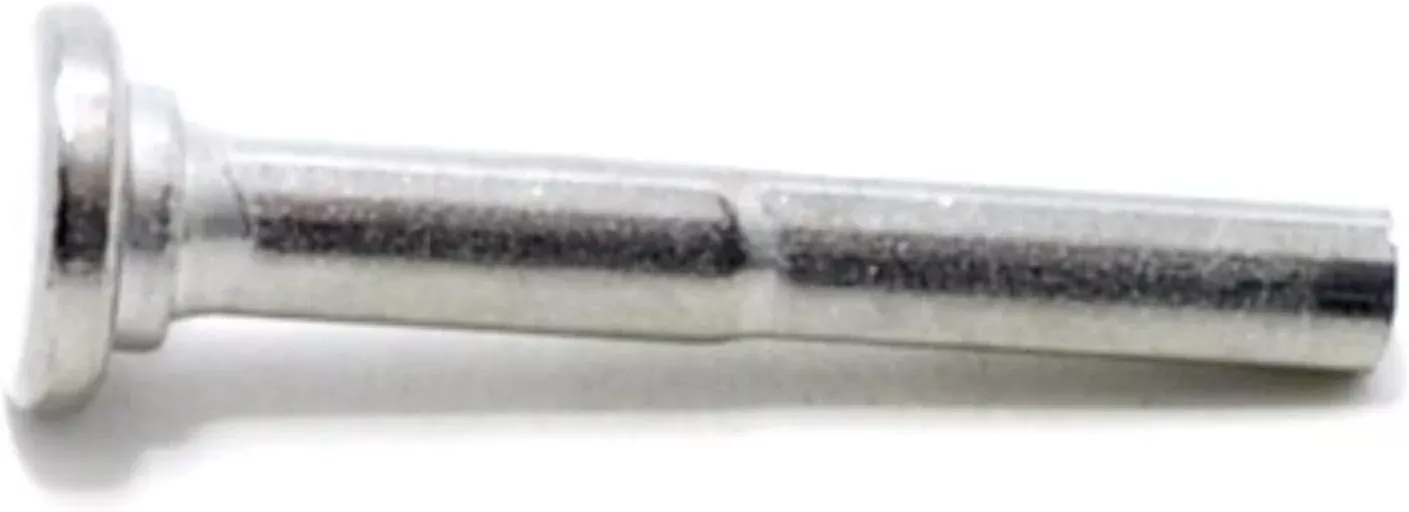
This 1/2 inch stainless steel insert adapter is designed for transitioning from 1/2 inch PEX tubing to a 1/2 inch FNPT (female national pipe thread) connection. Suitable for use in potable water and hydronic applications, the fitting provides a secure mechanical interface between PEX systems and threaded components such as valves, fixtures, or manifolds.
Product Specifications
- Material: 304 stainless steel for high resistance to corrosion and scale buildup.
- Connection Ends: 1/2 inch PEX barb (insert) x 1/2 inch FNPT thread.
- PEX Compatibility: Designed for use with ASTM F1807/F2098 crimp or clamp systems.
- Working Pressure: Rated up to 200 PSI at 73°F; compatible with systems up to 200°F.
- Compliance: Lead-free and suitable for use in potable water systems per NSF/ANSI 61 and 372 (verify per product submittal).
Applications
Used in systems where a fixed-threaded transition is required, this adapter is typically installed at connection points for shower valves, faucets, supply lines, or transition blocks. It is suitable for new construction or retrofits in residential and light commercial PEX installations.
Installation Requirements
The insert end must be fully seated in PEX tubing and secured using an approved crimp or clamp ring. The FNPT end should be threaded into compatible components using an appropriate thread sealant or PTFE tape. Avoid over-torquing to prevent deformation or thread failure. Always follow local plumbing code and system specifications during installation.
Performance Insight
Stainless steel fittings are often preferred over brass in applications with aggressive water chemistry, high thermal cycling, or when dezincification is a concern. Their strength and resistance to chemical degradation contribute to a longer service life and reduced maintenance.